
Get ready for a big shift in nutrition with the 2025–2030 Dietary Guidelines for Americans! These new guidelines are steering us away from the old low-fat, high-carb advice that hasn’t worked out so well. Instead, they’re all about ditching the highly processed foods that can cause health issues and embracing delicious, whole, minimally processed options that keep us healthy and happy!
Exciting news! Protein intake recommendations are now 1.2–1.6 grams per kilogram of body weight, highlighting its vital role in muscle preservation and metabolic health, especially for our wonderful older adults!
The guidelines also embrace full-fat dairy, reflecting emerging research that challenges previous views on saturated fat. A groundbreaking aspect of the new guidelines is the recognition that some individuals with chronic diseases may benefit from lower-carbohydrate diets, shifting away from a strict carbohydrate-centric focus.
However, despite these advancements, certain outdated assumptions, such as the strict restriction on saturated fat intake, persist and underscore the need for ongoing research in personalized nutrition.
As a NASM-certified Personal Trainer and Nutrition Coach, I’m all about health and fitness; it’s my passion and way of life! My mission is to be a vibrant role model, inspiring my loved ones, clients, and myself every day. I’ve been lucky enough to help so many incredible people—both women and men—transform their bodies and minds. I truly believe that everyone can reach their goals, and I’m here to help you!
Let’s begin your journey to becoming a healthier, stronger version of you! Let’s do this!
Master Your Mindset First
Start with your mindset, as it’s the foundation for everything – without it, nothing truly works. One effective strategy is to spend just five minutes on a quick activity to boost your gym motivation, such as visualization or journaling your reasons for wanting to get fit. Another key element is building unbreakable consistency, so you never skip workouts.
In my experience, when clients tap into their true reasons for getting fit—like boosting their health, confidence, or having more energy for family—they stick with their routines longer. I’ve seen amazing transformations, where people go from dreading the gym to truly craving it, simply by shifting their mindset. It’s all about that inner drive!
Prioritize whole, minimally processed foods — the closer to nature, the better.
Concentrate on making real, nutrient-dense food choices, such as fresh or frozen vegetables and fruits, high-quality meats, wild-caught fish, pasture-raised eggs, nuts, seeds, and whole grains. These foods provide the essential vitamins, minerals, healthy fats, fiber, and protein your body needs, eliminating any guesswork.
This simple change helps support stable energy levels, improve gut health thanks to the natural fiber that nourishes your microbiome, and balance hormones. Healthy fats serve as building blocks for estrogen, progesterone, and other hormones, while fiber helps clear excess hormones from the body. Many women experience fewer cravings, longer-lasting feelings of fullness, better mood, and even easier weight management when they adopt this shift.
I’ve seen too many clients get distracted by clever marketing surrounding “healthy” packaged foods—such as protein bars, smoothies, yogurts, and snacks—that sound appealing but are often loaded with hidden additives like excess sugars, artificial sweeteners, emulsifiers, preservatives, and inflammatory oils. These ingredients can disrupt hormones, increase cravings, and leave you feeling unsatisfied.
Quick shopping rule of thumb:
- Shop the perimeter of the store first (produce, proteins, eggs, dairy).
- Choose items with no label whenever possible (apples, salmon, spinach).
- Or go for short, recognizable ingredient lists (5 ingredients or fewer, nothing you can’t pronounce).
- Frozen plain vegetables, berries, and fish? Totally fine — and super convenient.
- Plain Greek yogurt or full-fat cottage cheese? Great choices, too.
Begin by making small changes: each week, replace one packaged item with a whole-food alternative. Over time, this will become an effortless habit, and you will notice significant improvements in how you feel. Your body recognizes real food—nourish it with what it truly desires, and you’ll see cravings diminish, energy levels rise, and a sense of balance return.
You’ve got this! 🌿
Reduce added sugars and refined carbohydrates for better energy levels and weight management.
Reducing added sugars and limiting refined carbohydrates are two of the most significant changes I have noticed in my clients’ daily lives. This is particularly beneficial for those who experience energy crashes, constant cravings, hormonal imbalances, or difficulty losing weight.
The effects in your body: Added sugars and refined carbohydrates—such as white bread, pasta, crackers, sugary cereals, sodas, and even “healthy” flavored yogurts—cause rapid spikes in blood sugar and insulin levels. Over time, these spikes can result in energy fluctuations, characterized by highs followed by crashes, increased inflammation, and insulin resistance. This can also lead to fatigue and make it more challenging to maintain a healthy weight, particularly for women. In women, these effects may further exacerbate hormonal imbalances associated with conditions like PCOS, perimenopause, or PMS.
The good news? Reducing them delivers fast wins:
- Steadier, all-day energy without the afternoon slump
- Dramatically fewer cravings (your taste buds reset in just a few weeks!)
- Better mood, focus, and even improved sleep
- Easier fat loss and metabolic health (studies show swapping refined carbs for whole-food options supports sustainable weight management)
Practical goal: Aim to limit added sugars to no more than 6 teaspoons (25 grams or approximately 100 calories) per day for most women, according to the American Heart Association guidelines. This recommendation is much stricter than the average intake of around 17 teaspoons. If possible, try to reduce your intake even further for greater health benefits. Additionally, drastically cut back on refined carbohydrates and replace them with nutrient-dense, fiber-rich whole-food carbohydrates.
Smart swaps & go-to sources:
- – Avoid sugary drinks, candy, baked goods, and processed snacks. Instead, choose water, herbal tea, or sparkling water with lemon.
- Skip white bread/pasta/rice/crackers → Opt for whole grains like quinoa, oats, brown rice, or barley in moderation.
- Avoid fruit juice and dried fruit (concentrated sugars) → Eat whole fruit (berries, apples, citrus) with skin on for fiber that slows sugar absorption.
- – Focus on low-glycemic carbohydrate options such as non-starchy vegetables (like broccoli, spinach, and peppers), legumes (such as lentils and black beans), sweet potatoes, berries, and nuts or seeds. These foods provide slow-release energy without causing a spike in blood sugar.
Quick tip to start today: Read labels — if sugar (or any of its 60+ names like cane syrup, dextrose, maltose) is in the top 3 ingredients, skip it. Better yet, choose foods with no added sugar.
My clients who commit to this shift often say it’s life-changing: cravings fade within 1–2 weeks, energy feels consistent, and many drop pounds without feeling deprived. Your body isn’t designed for constant sugar floods — give it real, whole-food fuel, and it rewards you with balance and vitality.
You can make progress—consider implementing one small change at a time! 🌿
Focus on incorporating protein and fiber into every meal; this combination helps you feel full, stay strong, and maintain balance.
Make sure your meals include a good source of high-quality protein and plenty of fiber. Why is this combination important? Together, they significantly enhance satiety, helping you feel satisfied for longer and reducing the urge to snack frequently. They also help stabilize blood sugar levels, preventing energy crashes and cravings. This pairing is crucial for preserving muscle, especially as we age and experience natural muscle loss. Additionally, protein serves as a building block for essential hormones, while fiber helps eliminate excess hormones and nourish your gut microbiome.
Research shows that aiming for 25–30 grams of protein per meal maximizes muscle protein synthesis — the process that builds and repairs muscle — in both younger and older adults. For women (particularly over 40, during perimenopause or beyond), this helps counteract age-related muscle decline, supports a healthy metabolism, boosts recovery from workouts, and makes weight management feel effortless.
Fiber rounds it out beautifully: most women fall short of the recommended 25–30+ grams daily (from sources like veggies, fruits, legumes, nuts, and seeds), but loading up at meals slows digestion, enhances fullness, stabilizes blood sugar even more, and promotes gut health — all of which support hormone balance and reduce inflammation.
Quick targets to hit:
- Protein goal per meal: 25–30g (or more if you’re active or focusing on muscle-building). Great sources: eggs (6–7g each), Greek yogurt (15–20g per cup), chicken/turkey/fish (20–30g per 4–5oz), cottage cheese (25g per cup), lentils/beans (15–18g per cup), or a protein shake/scoop if needed.
- Fiber goal: Pile on non-starchy veggies (broccoli, spinach, peppers — 5–10g easy), berries (4–8g per cup), nuts/seeds (3–5g per handful), or legumes — aim for 8–10g+ per meal to build toward that daily total.
Real-client wins I’ve seen: Women who boost protein + fiber report:
- Fewer cravings and no afternoon slumps
- Easier lean muscle gains and faster workout recovery
- Better mood, energy, and even improved hormone symptoms (like less bloating or PMS intensity)
- Sustainable weight loss without feeling deprived
Easy ways to make it happen:
- Breakfast: Eggs + spinach + avocado (protein + fiber boost)
- Lunch: Grilled chicken salad loaded with greens, berries, and seeds.
- Dinner: Salmon with roasted broccoli and quinoa.
- Snack: Greek yogurt with nuts and berries.
Start by checking one meal today — add an extra protein source or a big veggie side. Within days, you’ll notice the difference: more sustained energy, deeper satisfaction, and that empowered feeling of fueling your body right.
Your body thrives on this — you’ve got this! 🌿
4. Include healthy fats in your diet — don’t fear them; embrace the right ones!
Healthy fats are essential for women’s health — they’re literally the building blocks for hormones like estrogen, progesterone, and testosterone. They support brain function, steady energy, nutrient absorption (especially fat-soluble vitamins A, D, E, and K), reduced inflammation, and overall meal satisfaction. Low-fat diets (especially below ~20% of calories from fat) can disrupt hormone balance, leading to issues like irregular cycles, low energy, or worsened menopausal symptoms.
Why quality fats matter so much:
- Monounsaturated fats (from olive oil, avocados, nuts) help maintain healthy cholesterol, support heart health, and promote brain function.
- Omega-3 fatty acids (from fatty fish like salmon, walnuts, flaxseeds, chia seeds) are powerful anti-inflammatories that can lower systemic inflammation, support mood, and even aid in hormone regulation (studies link higher omega-3 intake to better progesterone levels and reduced anovulation risk).
- Balanced saturated fats from whole foods (like eggs, grass-fed meat, or full-fat dairy) provide structure for cell membranes and hormone production — in moderation, they’re not the villains they were once made out to be (recent 2025-2030 Dietary Guidelines emphasize whole-food sources over fearing them entirely).
Practical goal: Aim for 20–35% of your daily calories from fat (roughly 44–77g on a 2,000-calorie diet), with a minimum of ~40–60g/day for most women to support hormone health. Focus on quality over quantity — prioritize whole-food sources and limit processed/trans fats.
Here are some delicious, nutrient-packed sources to get you started:
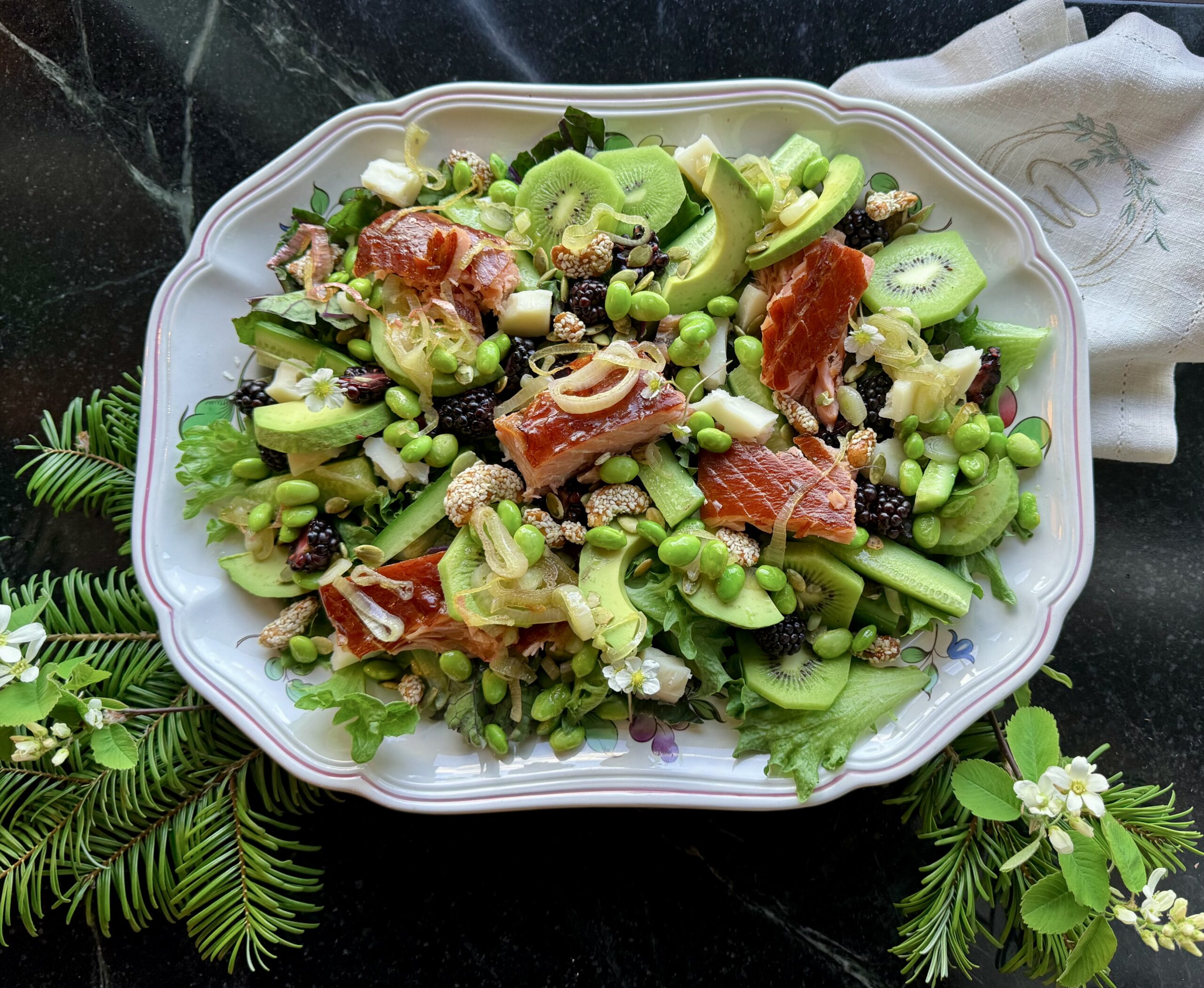
Here are vibrant examples of meals loaded with healthy fats — think creamy avocados, flaky salmon, crunchy nuts, and a drizzle of olive oil for that extra satisfaction!
Easy ways to add them to every meal:
- Drizzle extra-virgin olive oil on salads or veggies
- Add half an avocado to eggs, salads, or smoothies
- Snack on a handful of nuts/seeds (almonds, walnuts, chia)
- Enjoy fatty fish (salmon, sardines) 2–3 times a week
- Use full-fat Greek yogurt or cottage cheese
- Cook with olive oil or even butter/tallow for flavor
My clients who make this shift rave about how much tastier meals become, how cravings disappear, and how their energy and mood feel more stable — often with noticeable hormone improvements like fewer PMS symptoms or better cycle regularity.
Your body needs these nourishing fats to thrive — add them generously and feel the difference! 🌿
5. Be thoughtful about cooking oils — choose wisely for flavor, heat stability, and long-term health!
I cook most of my meals at home, so I’m very particular about the oils I use. The type of oil can significantly affect taste, nutrition, and how your body feels.
For higher-heat cooking (stir-frying, roasting, searing), I switch to avocado oil — it has an impressively high smoke point (~520°F) and similar monounsaturated fat benefits to olive oil, making it stable and versatile without breaking down into harmful compounds.
Quick guide to smart choices (based on current 2025–2026 evidence):
- Top picks for health & versatility: Extra virgin olive oil (low-to-medium heat: sautéing, dressings, drizzling) and avocado oil (high-heat: frying, roasting). Both are rich in monounsaturated fats that support heart health and reduce inflammation.
- Other solid options: Ghee or clarified butter (high smoke point, great flavor), coconut oil (in moderation for medium heat), or high-oleic versions of certain oils.
- Be cautious with industrial seed oils (such as conventional canola, soybean, corn, and sunflower): The evidence on them is mixed and evolving. While major organizations (like the American Heart Association) still include them as acceptable for replacing saturated fats, and human studies show no clear link to increased inflammation when used moderately, they’re often highly processed, high in omega-6s (which can imbalance ratios if overconsumed), and commonly found in ultra-processed foods. Many experts recommend minimizing them — especially for high-heat cooking where oxidation risk rises and prioritizing minimally processed, whole-food-based oils instead.
Practical tips to get started:
- Read labels: Choose cold-pressed, unrefined, or extra virgin varieties.
- Match the oil to the heat: Low smoke point = low heat; high smoke point = high heat (avocado oil for stir-fries).
- Store smart: Keep oils in dark, cool places to preserve nutrients.
- Focus on whole foods: The biggest health wins come from ditching processed foods loaded with cheap seed oils, not obsessing over every drop.
My clients who switch to thoughtful oils like these notice meals taste richer, energy stays steadier, and they feel more nourished overall. Cooking at home with quality fats is one of the most loving things you can do for your body — keep it simple, delicious, and real!
You’ve got this! 🌿
6. Make smart choices about grains, starches, and carbs — quality over quantity, and context is everything!
Carbs aren’t the enemy — far from it! When chosen thoughtfully, the right ones provide sustained energy, support hormone balance (especially for women), feed your gut microbiome with fiber, and fuel workouts without the blood sugar rollercoaster that refined versions often cause.
Focus on intact, nutrient-dense sources that deliver slow-releasing energy:
- Whole grains like quinoa, farro, barley, steel-cut or rolled oats, buckwheat, and brown rice (these are high in soluble fiber for steady blood sugar and better insulin sensitivity).
- Starchy veggies such as sweet potatoes, butternut squash, or beets (packed with vitamins, antioxidants, and natural fiber).
- Legumes like lentils, chickpeas, and black beans (excellent plant-based protein + fiber combo for hormone-supporting benefits).
These options have a naturally low-to-moderate glycemic impact, help regulate insulin, reduce inflammation, and promote stable energy — key for managing cravings, mood, cycle regularity, and even PCOS or perimenopause symptoms.
Here are some vibrant examples of balanced, whole-food carb sources in action — think colorful quinoa bowls loaded with veggies and legumes, hearty farro mixes, or roasted sweet potatoes for that satisfying, nourishing vibe!
:max_bytes(150000):strip_icc()/salmon-and-farro-bowl-FT-RECIPE0125-8185698bfd894307b4d394180f122160.jpeg)
Always pair carbs with protein, healthy fats, and extra fiber. This simple strategy slows digestion, blunts blood sugar spikes, and keeps you full longer. Think: quinoa with grilled salmon and avocado, sweet potatoes topped with Greek yogurt and nuts, or lentils in a veggie stir-fry with olive oil.
Quick label check — the carb-to-fiber ratio trick. Aim for a carb-to-fiber ratio of 10:1 or better (≤10 grams of total carbs per 1 gram of fiber) — a guideline from the American Heart Association and nutrition experts for spotting truly high-quality carbs (close to what you’d find in unprocessed whole grains). Anything higher often means more refined or processed. Bonus: Prioritize low-glycemic options to keep insulin in check.
Practical targets for most women (especially active ones): Portion thoughtfully — around 30–60g of quality carbs per meal works well for blood sugar control and energy without excess (adjust based on activity; more if you’re training hard). This supports fueling workouts, recovery, and metabolic health while avoiding unwanted spikes.
My active clients who shift to these smart carb choices feel energized for their workouts, experience fewer cravings, steadier moods, and easier body composition changes — all without feeling deprived.
Ditch the refined stuff (white bread, pasta, sugary cereals) and load up on these real-food winners. Your hormones, energy, and satisfaction will thank you!
You’ve got this — fuel smart and thrive! 🌿
7. Consume dairy thoughtfully — it’s not one-size-fits-all, but the right kinds can be incredibly supportive!
Dairy offers valuable benefits for many women: high-quality protein, calcium, and other bone-supporting minerals, plus probiotics in fermented options that nourish gut health (key for hormone balance, reduced inflammation, and steady mood/energy). Recent evidence (as of 2025–2026) shows full-fat dairy is often neutral or even beneficial for heart health, metabolic markers, and overall outcomes — no longer the villain that low-fat versions were pushed as — especially when part of a balanced diet.
Why prioritize these choices?
- Full-fat versions provide satisfying healthy fats that support hormone production (like estrogen and progesterone), nutrient absorption, and longer-lasting fullness without blood sugar spikes.
- Fermented dairy (yogurt, kefir, certain cheeses) stands out for gut microbiome benefits — boosting beneficial bacteria, reducing inflammation, improving digestion, and aiding hormone clearance via the gut-liver axis. Studies highlight fermented foods as a way to improve cardiometabolic health and reduce inflammatory markers.
Here are some delicious, nourishing fermented dairy ideas in action — creamy full-fat Greek yogurt bowls topped with fresh berries, nuts, and seeds for that perfect protein-fiber-fat combo!

Smart picks & personalization tips:
- Go for full-fat, unsweetened, plain Greek yogurt, kefir, or cottage cheese (grass-fed or organic when possible for higher nutrient quality and fewer additives).
- Try A2 milk (or A2-based products) if regular dairy causes bloating, gas, or discomfort — emerging 2025 studies show it may ease GI symptoms, promote beneficial gut bacteria (like Bifidobacterium), and reduce inflammation for sensitive folks, thanks to its lack of A1 β-casein, which can release problematic peptides.
Here are fresh, farm-inspired examples of grass-fed or A2 milk, pure, creamy, and full of natural goodness!
And for probiotic power, check out these vibrant kefir options — a fermented drink that’s gentle and gut-loving!
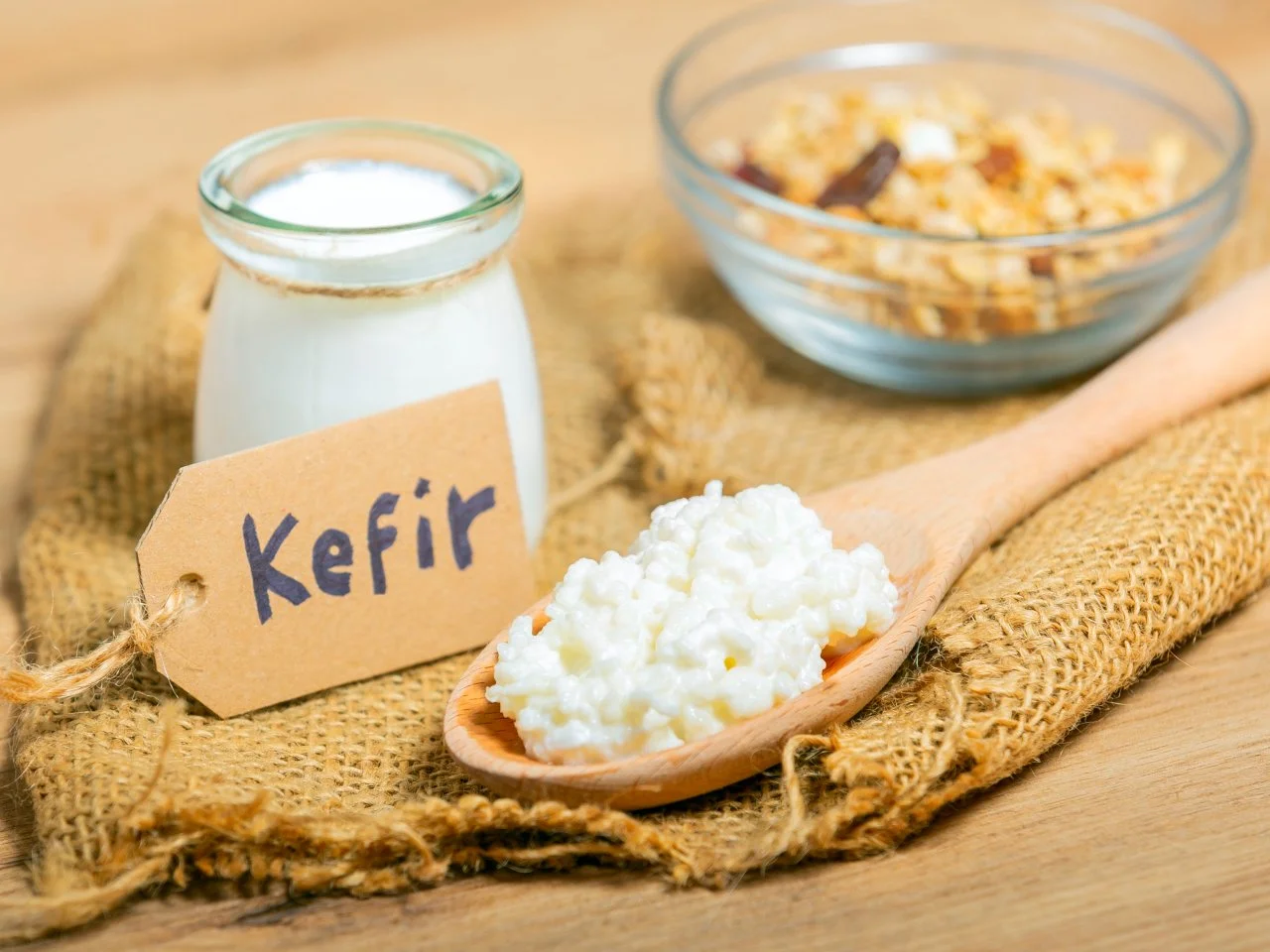
What Is Kefir? | Food Network
If dairy doesn’t suit you: Skip or limit if you notice acne, bloating, hormonal flares (like worsened PMS/PCOS symptoms), or inflammation — common sensitivities in some women. Switch to unsweetened plant-based alternatives (almond, coconut, or hemp milk — watch for additives) or test A2 options first.
My approach with clients: We always personalize based on how you feel — energy, digestion, skin, cycles — because what works beautifully for one person might not for another. Start with fermented full-fat in small amounts, track your response for a week or two, and adjust as needed.
When dairy fits your body, it can be a nourishing ally for strength, gut health, and hormone harmony. Listen to your body — you’ve got this! 🌿
Focus on eating for micronutrient density and variety—aim to “eat the rainbow” and more!
“Eat the rainbow” is one of the simplest and most effective pieces of nutrition advice I share with all my clients. By filling your plate with a variety of colorful plants—such as vibrant reds, oranges, yellows, greens, blues, purples, and whites—you naturally boost your intake of essential vitamins, minerals, antioxidants, and thousands of phytonutrients (bioactive plant compounds like carotenoids, flavonoids, and betalains). These components work together to combat inflammation, support detoxification, enhance immunity, protect against chronic diseases (such as heart disease, type 2 diabetes, and certain cancers), improve brain health, and promote glowing skin, steady energy, and hormone balance. This advice is particularly important for women at various life stages.
Recent evidence (including 2025 reviews and umbrella studies) confirms that greater variety in colorful fruits and veggies delivers broader health benefits than focusing solely on quantity, with links to better metabolic health, reduced inflammation, improved mood, and even lower risks of cognitive decline.
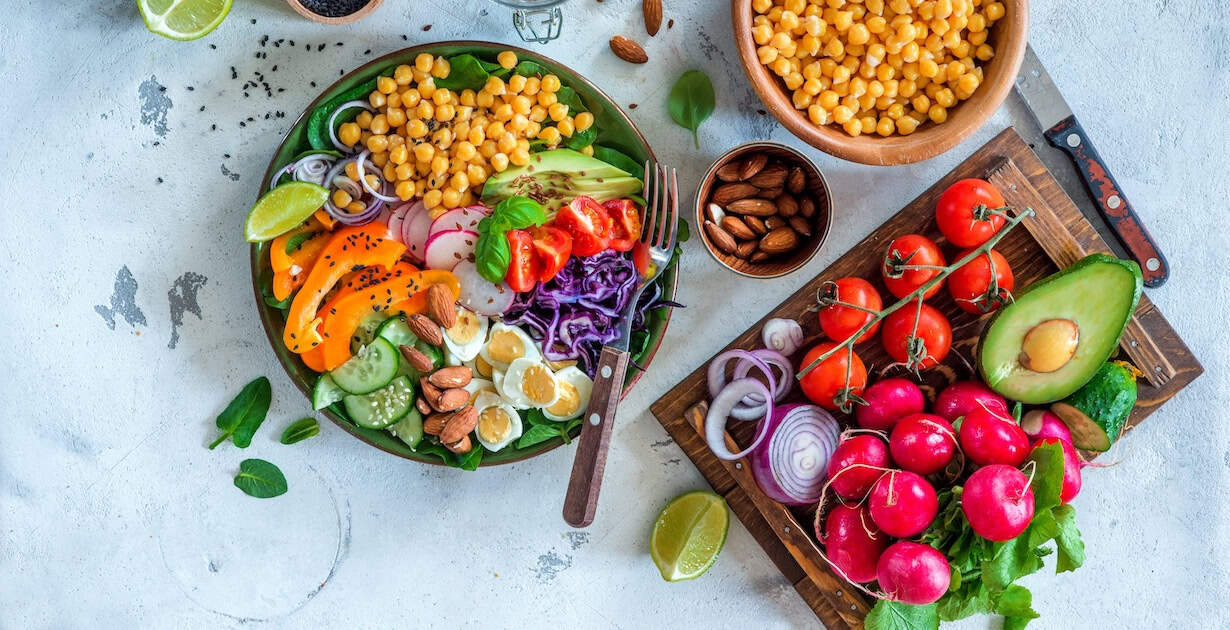
Here are some stunning, vibrant examples of “eating the rainbow” in action — colorful plates bursting with berries, leafy greens, bell peppers, carrots, purple cabbage, and more for maximum phytonutrient power!

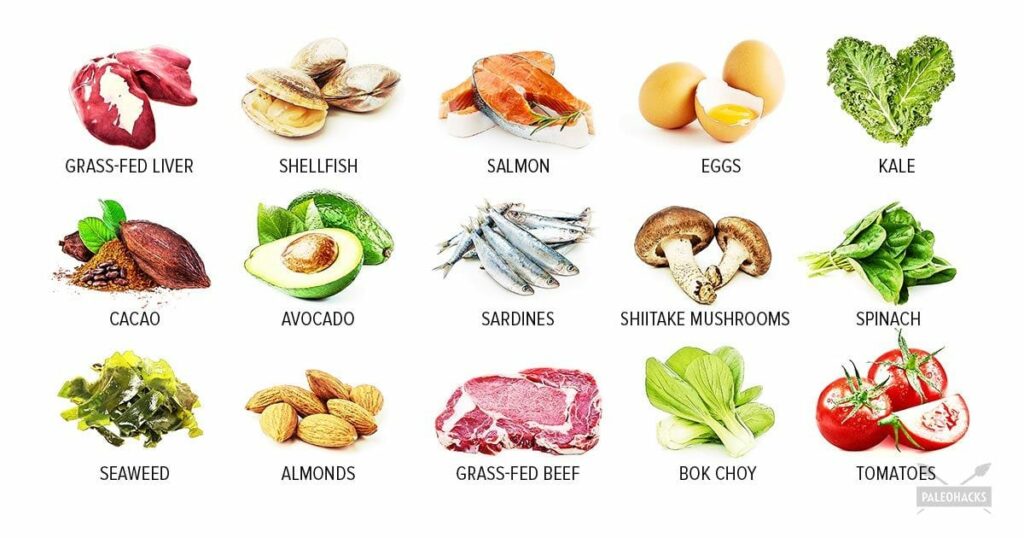
To achieve a well-rounded micronutrient profile, it’s important to include high-quality animal foods in your diet. These foods are particularly nutrient-dense and offer essential nutrients that are often hard to obtain or less efficiently absorbed from plant sources. Key nutrients found in animal foods include Vitamin B12, which is crucial for energy production and nerve health.- Heme Iron: Highly bioavailable and important for blood building, helping to prevent fatigue.Zinc: Supports immune function, skin health, and hormone balance.- Omega-3 Fatty Acids: Found in fatty fish, these are beneficial for brain function, mood enhancement, and reducing inflammation. Incorporating these animal foods complements plant-based foods and helps fill potential nutritional gaps in a varied diet.
Check out these nutrient-packed animal food plates — think wild salmon, pasture-raised eggs, grass-fed beef, and oysters for that serious micronutrient boost!
Practical goal: Aim for variety throughout the week—strive for 20–30+ different plant foods (fruits, vegetables, herbs, nuts, seeds, legumes) along with quality protein sources. This diversity nourishes your gut microbiome, enhances long-term vitality, and makes meals exciting and satisfying.
Easy ways to make it happen:
- Breakfast: Smoothie or bowl with spinach, berries, banana, and seeds
- Lunch: Big salad with mixed greens, tomatoes, carrots, beets, avocado, and grilled chicken or salmon
- Dinner: Stir-fry or roasted veggies in every color + fatty fish or eggs
- Snacks: Colorful fruit with nuts, or veggie sticks with hummus
Even with an amazing whole-food diet, some women benefit from targeted supplements (like vitamin D in winter, magnesium for stress/hormones, or B12 if mostly plant-based) — we always discuss and personalize this in coaching based on your labs, symptoms, and lifestyle.
Fuel your body with this colorful, nutrient-packed approach, and you’ll feel the difference in energy, resilience, and overall glow. Your body thrives on variety. Embrace the rainbow and thrive!
You’ve got this! 🌈🌿
Stay well-hydrated and be conscious of your beverage choices—water is essential for energy, recovery, and balance!
Water first, always — it’s the simplest, most powerful way to fuel your body. Proper hydration supports high energy (no more brain fog or afternoon slumps), aids recovery from workouts (replenishing fluids lost through sweat), regulates body temperature, flushes toxins, lubricates joints, and even plays a key role in hormone balance for women. Dehydration, even mild (1–2% fluid loss), can spike stress hormones like cortisol, disrupt mood, increase fatigue, worsen PMS or menopausal symptoms (like bloating/hot flashes), and throw off insulin sensitivity — while staying well-hydrated helps regulate hormones, ease bloating/fatigue tied to cycles, and boost overall vitality.
Current guidelines (from sources like Mayo Clinic, Harvard Health, and U.S. National Academies, consistent through 2025–2026) recommend about 11.5 cups (2.7 liters / ~91 ounces) of total fluids per day for most women — including water, other beverages, and ~20% from food (like fruits/veggies). This varies based on activity level, climate, workouts, pregnancy/breastfeeding, or health factors — so listen to your body (aim for pale yellow urine as a quick check).
Here are some refreshing, invigorating ways to stay hydrated — think crisp infused water with lemon, cucumber, and mint for that extra glow and flavor without any sugar!

Skip the derailing drinks: Sugary sodas, energy drinks, and sweetened juices—even those labeled “natural”—can cause rapid spikes in blood sugar and insulin levels, leading to crashes that cause fatigue, increased cravings, and inflammation. These beverages can disrupt hormones (including elevated estrogen levels in some studies) and raise the risk of weight gain, insulin resistance, and type 2 diabetes. For women who are managing their energy levels, menstrual cycles, or weight, consuming these drinks can quickly undo any progress they have made.
Here are eye-opening examples of those tempting but problematic sugary drinks — colorful cans and bottles loaded with hidden sugars that spike energy, then crash it hard!
Smart, supportive choices:
- Unsweetened coffee and tea — these can count toward hydration (the fluid balances caffeine’s mild diuretic effect), and they offer antioxidants for anti-inflammatory benefits. Recent studies even link moderate combos of water, coffee, and tea to longevity and better health markers.
- Limit alcohol — it dehydrates, disrupts sleep/hormones, and adds empty calories — keep it minimal or skip for optimal recovery and energy.
- Avoid or minimize artificial sweeteners — the evidence is mixed, but many experts recommend avoiding heavy reliance due to potential gut, hormonal, or metabolic impacts; opt for real, whole-food flavors instead.
Easy hydration hacks to start today:
- Carry a big reusable bottle and sip throughout the day
- Infuse water with cucumber, lemon, mint, or berries for natural flavor
- Drink a glass first thing in the morning, with meals, and before/after workouts
- Enjoy herbal teas or black coffee/tea unsweetened
- Track intake for a week — most clients notice steadier energy and fewer cravings almost immediately!
Your body runs on water — prioritize it, choose wisely, and watch how much more energized, balanced, and recovered you feel. You’ve got this! 💧🌿
Adapt to your individual responses — this is the most powerful principle of all!
What works beautifully for one woman might not suit another — and that’s completely normal. The real magic happens when you learn to listen to your own body and adjust based on how foods and habits actually make you feel: steady energy throughout the day, balanced mood, easy digestion, clear skin, regular cycles, better sleep, and overall vitality.
I love guiding clients through this process — it’s like becoming your own best detective! We experiment safely, track simple cues (energy after meals, cravings, bloating, PMS intensity, workout recovery), and fine-tune until everything feels effortless and supportive.
Why personalization matters so much:
- Hormones shift with age (perimenopause, menopause, postpartum), activity levels, stress, and life stages — so your ideal fuel changes too.
- Sensitivities to dairy, gluten, caffeine, or nightshades can show up differently in each person.
- Some women thrive on higher carbs, others feel best with more fat and protein — there’s no universal “perfect” plan.
Here are some inspiring examples of women tuning into their bodies — colorful journals, mindful meals, and that confident “I feel amazing” glow that comes from truly knowing what works for you!
Easy ways to start tuning in today:
- After meals, pause for 30 seconds and notice: How’s my energy? Any bloating or heaviness? Am I satisfied or still hungry?
- Keep a simple 1-week journal: note what you ate, how you felt 1–3 hours later, and any cycle or mood patterns.
- Test one change at a time (e.g., swapping dairy for A2 or plant-based, adding more protein, cutting caffeine) and track the difference.
- Pay attention to sleep, stress, and workouts — they all influence how foods land in your body.
Your body is incredibly wise and communicates clearly when you give it space to speak. When you honor your unique responses, you unlock sustainable energy, hormone harmony, and that deep sense of confidence in what truly nourishes you.
This is why personalized coaching makes all the difference — we figure out your perfect approach together, and it evolves with you. You’ve got this — trust yourself, listen closely, and thrive! 🌿
Be cautious of extreme claims and quick solutions; sustainable approaches always lead to better outcomes!
I’ve watched fad diets rise and fall for years — from extreme low-carb crazes to juice cleanses, detox teas, “miracle” supplements, and viral challenges promising 10+ pounds gone in a week. They sound tempting, especially with dramatic before-and-afters and celebrity endorsements, but the reality? Most lack strong scientific backing, deliver short-term results at best, and often lead to rebound weight gain, nutrient gaps, fatigue, hormone disruptions, or even long-term health risks.
As of 2025–2026, nutrition experts (including registered dietitians and major health organizations) continue to emphasize that true, lasting change comes from evidence-based, sustainable approaches — like balanced whole-food eating patterns (think Mediterranean or flexitarian styles), gradual habit-building, and no demonizing entire food groups. Fad diets promise the “quick fix” but rarely teach lifelong skills, while sustainable changes build resilience, better energy, hormone harmony, and enjoyment of food and life.
Here are some eye-opening examples of those flashy, quick-fix promises you see everywhere — dramatic claims, restrictive plans, and hype that rarely hold up long-term. Stay skeptical and protect your progress!
The better path forward — start small and build sustainably:
- Cut back on processed foods and hidden sugars/additives first — one swap at a time.
- Add more protein and fiber to every meal for natural fullness and steady energy.
- Focus on progress, not perfection: Aim for consistency 80–90% of the time, with room for real life and joy.
- Remember, nutrition is just one piece — prioritize sleep, joyful movement, stress management, and connection too. These foundations create the biggest, most lasting transformations.
Here are inspiring glimpses of real, sustainable, healthy living — women enjoying balanced meals, gentle movement in nature, restful sleep, and that genuine glow from habits that feel good and last!
These guidelines, rooted in science, personalization, and kindness to yourself, are what have helped my clients achieve real, lasting results: steadier energy, balanced hormones, confident strength, and freedom from the diet cycle, all while truly enjoying life.
If this approach resonates with you and you’re ready to move away from extremes toward something that truly works long-term, let’s have a conversation and schedule a free consultation. I am fluent in both English and Spanish, and I offer flexible options for virtual or in-person meetings that fit seamlessly into your life.
Together, we’ll craft a plan that makes you feel strong, confident, and unstoppable — just like you deserve.
With gratitude and excitement for your journey, Andrea Dempsey NASM-Certified Personal Trainer & Nutrition Coach andreafitnesscoach.com
You’ve got this — real change feels good! 🌿💪